
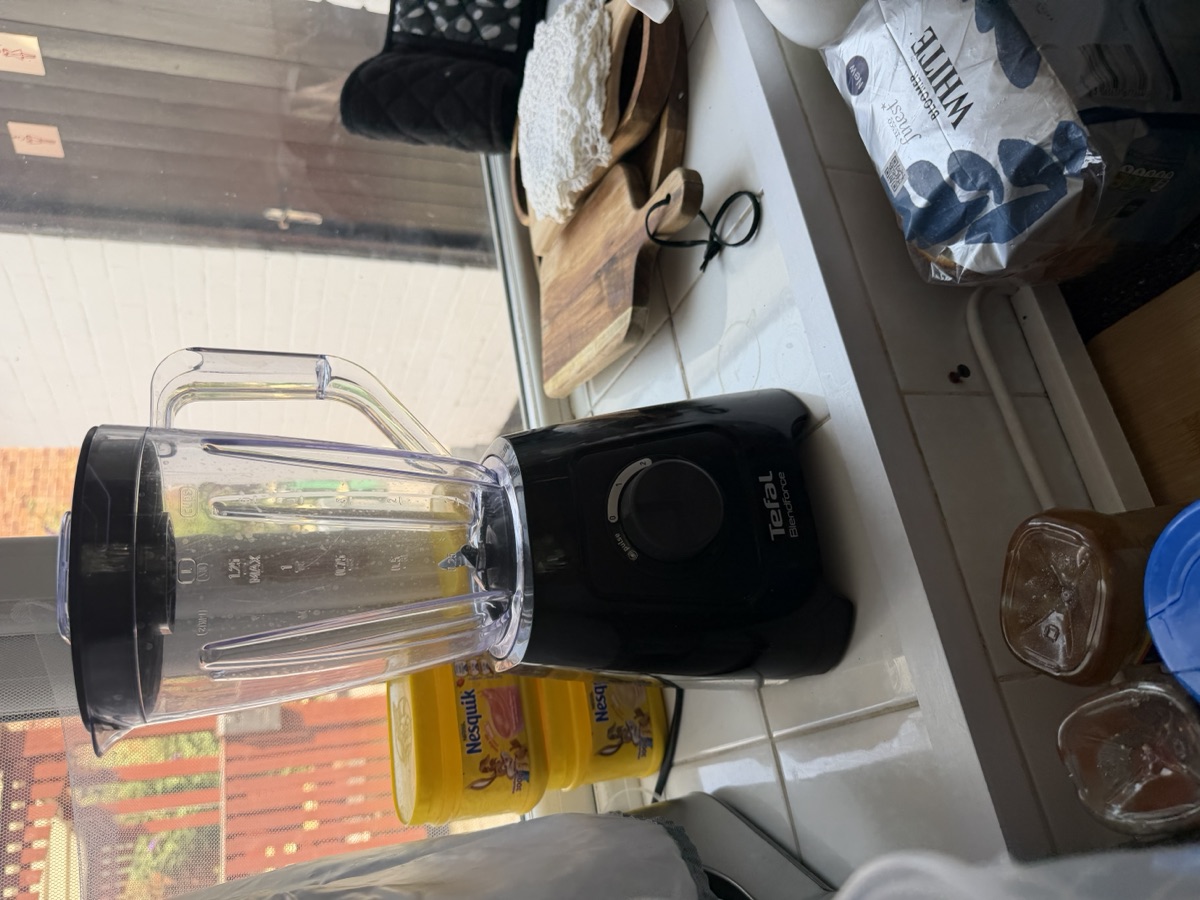
Any electrical equipment that plugs into a wall socket, connects to a generator, or uses an extension lead needs regular safety checks under UK health and safety regulations. At Peak Edge PAT, we carry out inspections across York, Chesterfield, Sheffield and the Peak District, testing everything from student kitchen appliances to venue sound systems and workshop power tools.
What Counts as a "Portable Appliance"?
The term "portable appliance" is often misleading, in electrical safety standards it covers far more than small, handheld items. If an item uses a flexible cable and a standard plug (typically a 230V 3-pin plug or 110V industrial connector), it falls under the scope of portable appliance testing. This includes:
- Portable items: kettles, irons, power tools and vacuum cleaners.
- Movable items: microwave ovens, floor polishers and mobile heaters.
- Stationary items: fridges, washing machines and vending machines.
- IT and display gear: computers, monitors and photocopiers.
- Supply equipment: extension leads, multi-way adaptors and detachable power leads.
The Complete Business PAT Testing Checklist
Here is a full breakdown of the equipment we most commonly test, by category.
1. Kitchen and Hospitality Equipment
- Kettles and coffee machines: high wattage and frequent contact with water make these high-risk items.
- Microwaves: we check electrical safety, earth continuity and casing integrity.
- Toasters and sandwich presses: frequently damaged by crumb build-up and heat stress.
- Fridges, freezers and dishwashers: heavy-duty items in student lets and commercial kitchens.
- Vending machines: operating constantly in public areas, offices and leisure centres.
2. Office and IT Gear
- Computers and monitors: low risk, but the power cables still need safety checks.
- Photocopiers and printers: high-use office items that must be kept safe.
- Phone and laptop chargers: often overlooked, but cheap or damaged transformers pose a real fire risk.
3. Cables and Power Distribution
- Extension leads: one of the most common points of failure in any building. We test for continuous earthing and internal wiring faults.
- Multi-way sockets and cable reels: checked for overloading damage, cracked casings and loose wires.
4. Venue, Guest and Domestic Appliances
- Irons and hairdryers: high usage in Peak District holiday lets and wedding prep rooms.
- Decorative and event lighting: frequently moved and rigged at Derbyshire wedding venues and SPGA (Small Paying Guest Accommodation) sites.
- Sound systems and AV equipment: amps, speakers and mixing desks used by venues and event spaces.
5. Tools, Grounds Maintenance and Outdoor Gear
- Power tools: drills, grinders and saws used on site or in engineering workshops.
- Garden equipment: electric lawnmowers, hedge trimmers and pressure washers used on country estates and venue grounds.
6. Pest Control and Hygiene Equipment
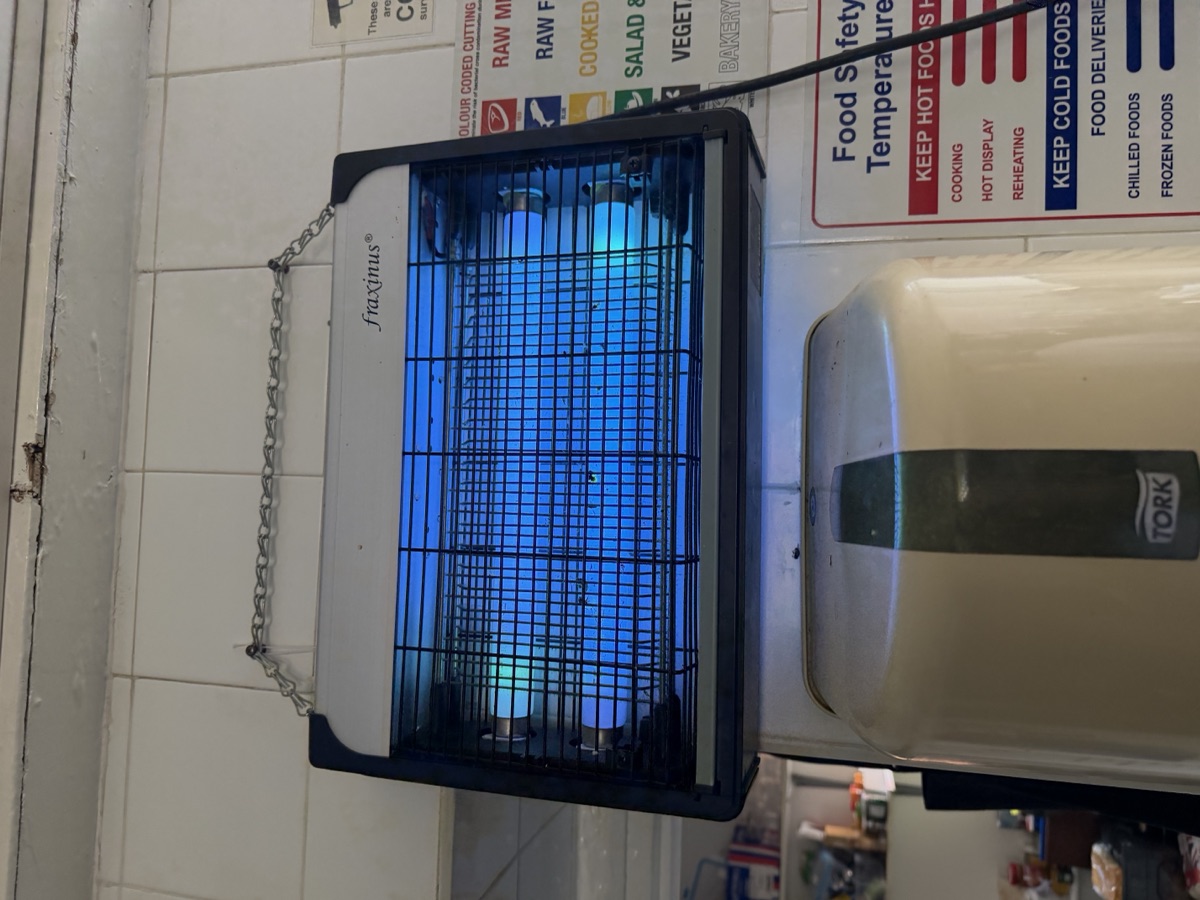
- Fly killers and insect control units: a legal requirement in food premises, and easy to overlook since they run unattended for months at a time.
- Hand dryers and other washroom equipment: constant public use in offices, cafés and leisure venues.
What Does NOT Need PAT Testing?
Fixed electrical wiring, sockets, light switches, fuse boards and hardwired wall heaters, does not fall under PAT testing. Those items are covered separately by an Electrical Installation Condition Report (EICR). Battery-powered tools themselves do not require testing, though their plug-in battery chargers do.
Related Reading
Get a Quote
Want a straight answer on what needs testing at your premises? Get in touch with a rough idea of your equipment and we'll confirm what's in scope before we quote.
Frequently Asked Questions
Do fridges and washing machines need PAT testing if they are never moved?
Yes. Items like fridges, freezers, washing machines and vending machines are classed as stationary appliances, but because they connect via a flexible cable and a plug they still fall within the scope of portable appliance testing. Only fixed electrical wiring, sockets, switches, fuse boards and hardwired equipment sit outside PAT testing, and those are covered by an Electrical Installation Condition Report (EICR) instead.
Do extension leads and multi-way adaptors need PAT testing?
Yes, and they are among the most important items to test. Extension leads, cable reels and multi-way sockets are one of the most common points of failure in any building, so they are checked for continuous earthing, internal wiring faults, overloading damage, cracked casings and loose connections. Detachable power leads for IT equipment count too.
Do cordless power tools need PAT testing?
The battery-powered tool itself does not need PAT testing, because it does not plug into the mains. However, the plug-in battery charger does need testing, as do any mains-powered tools such as drills, grinders and saws. The same logic applies to laptop and phone chargers, which are easy to overlook but a genuine fire risk when damaged or poor quality.
Are fly killers in a commercial kitchen covered by PAT testing?
Yes. Electric fly killers and insect control units need testing, and keeping them safe and functional is a requirement in food premises. They are easy to overlook because they run unattended for months on end, which is exactly why they should be included on your equipment inventory alongside hand dryers and other washroom equipment.
What is the difference between PAT testing and an EICR?
PAT testing covers anything that plugs in via a flexible cable and a plug, from kettles and computers to power tools and extension leads. An EICR (Electrical Installation Condition Report) covers the fixed installation: wiring, sockets, light switches, fuse boards and hardwired equipment such as wall heaters. Most business premises need both, as they cover different parts of the same electrical safety duty.