
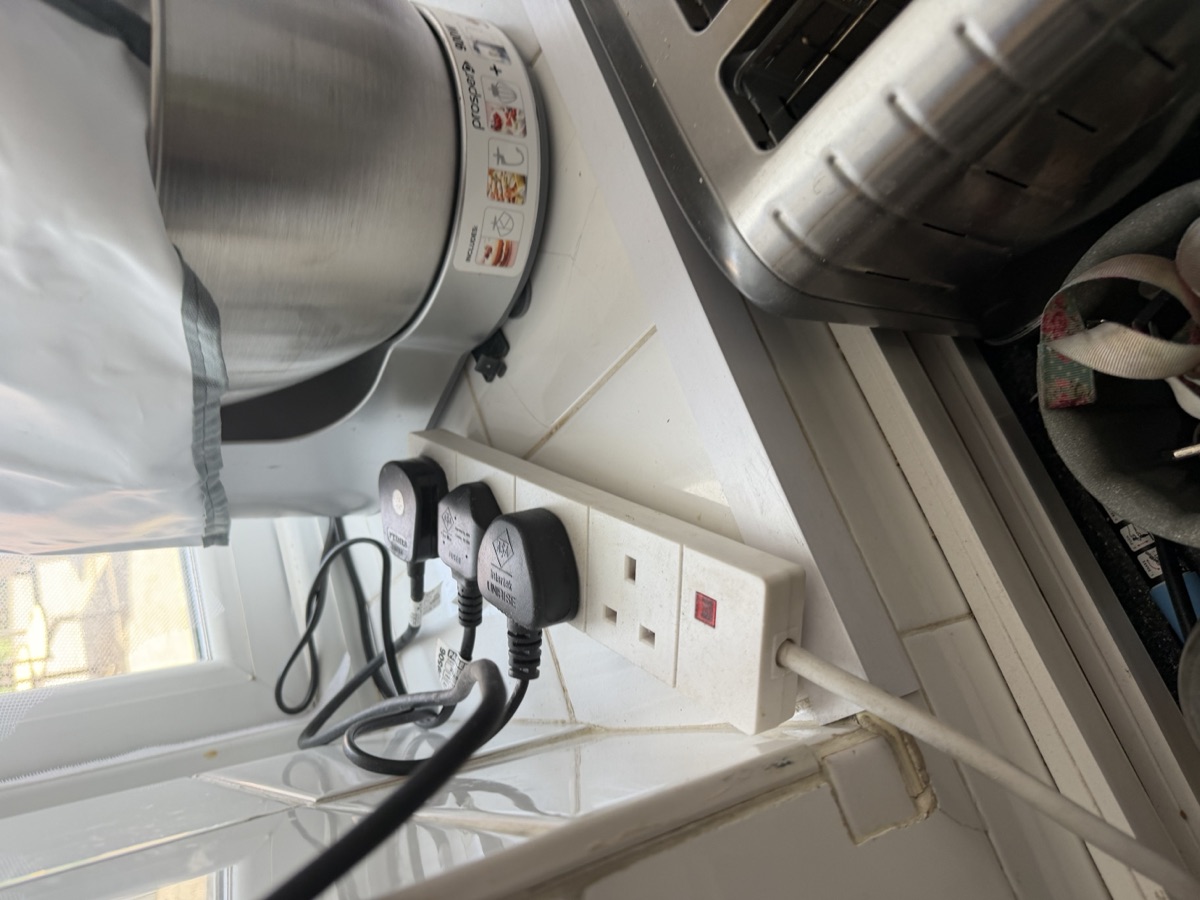
Over 80% of electrical equipment failures caught during a PAT test are spotted during the initial visual inspection, before any test signal is sent down the cable. Across our routine inspections in Derbyshire, South Yorkshire and North Yorkshire, appliance failures rarely happen because an item is brand new or old, they happen because of real-world environmental stress, daily wear and tear, or improper storage. Here are the 10 most common causes of a PAT test fail, based on real examples from our field testing.
1. Incorrect Fuse Ratings
By far the most frequent issue we find on-site. Equipment is routinely fitted with the wrong fuse, a 13A fuse in a lamp or desk fan that needs a 3A fuse, for example. If a short circuit occurs, an oversized fuse won't blow in time, and the cable overheats, creating a fire hazard.
2. Vacuum Cleaner Cable Abuse
Vacuum cleaners in offices, student houses and venue prep rooms take relentless mechanical stress. Commercial vacuums are constantly yanked around door frames, jerked from wall sockets by the cord, or wrapped too tightly around the handle. This pulls the outer sheath straight out of the plug head, exposing live inner wires or severing the earth conductor inside.
3. Water Damage and Steam Penetration
High-moisture environments cause unseen internal electrical tracking and earth leaks. Commercial kitchens operating in damp, wet or steamy conditions are a prime example, high humidity, wet floors and steam washdowns degrade terminal seals, corrode internal contacts and cause insulation resistance failures on food prep machines and scales.
4. Poor Seasonal Storage (Crushed Cables)
Seasonal equipment is particularly vulnerable, think Christmas lights and temporary event lighting. When packed away in a rush, light sets, extension cables and transformers get chucked into plastic totes with heavy storage crates piled directly on top. This crushes cable insulation and snaps copper conductors internally, causing insulation failure when it's plugged back in the following year.
5. Damaged Plugs and Cracks
Impact damage is common on busy shop floors, engineering workshops and holiday lets. Plugs get stepped on, dropped on concrete, or crushed behind heavy furniture. Cracks in the plug casing expose live terminals to fingers.
6. Loose Cable Grips
Inside a 3-pin plug, the cable grip clamps the outer sheath tightly so pulling the cord doesn't strain the pins. Over time, or with cheap original manufacturing, these grips loosen, and if the cable is pulled, the live or neutral wire can pull straight out of its screw terminal.
7. Exposed Wiring and Frayed Cables
Outer sheaths wear down against sharp corners, desk legs, or under heavy machinery. Once the outer jacket wears away, the colour-coded inner insulation is exposed to physical damage.
8. Damaged or Overloaded Extension Leads
Extension leads are one of the highest failure risks in any building. They get overloaded, stepped on, or coiled tightly while running high-power appliances like heaters, which causes the coiled cable to melt from internal heat build-up.
9. DIY Repairs and Electrical Tape Fixes
A quick fix with insulating tape or wire nuts is a major cause of a failed PAT test. Taping over a cut cable sheath, or using unapproved connectors, doesn't restore mechanical strength or electrical insulation to a safe standard.
10. Burn Marks and Overheating
Discolouration or scorch marks around plug pins or wall sockets point to loose connections, arc faults or thermal overload. These items need to come out of service immediately to prevent a fire.
On-the-Spot Rectification with Peak Edge PAT
A failed PAT test doesn't always mean throwing equipment away. We carry out minor repairs on the spot during our visit, if an item fails because of a damaged plug head, broken cable grip, or an incorrect fuse, we replace fuses and re-plug appliances free of charge. That gets your equipment safely back into service straight away, with no added call-out fees or repair charges.
Related Reading
- Is PAT Testing a Legal Requirement in the UK?
- What Appliances Need PAT Testing? A Complete Business Checklist
Get a Quote
If you'd rather find out about a fault before it fails an inspection, get in touch and we'll get you booked in.
Frequently Asked Questions
What happens if an appliance fails a PAT test?
A failed item must be taken out of service until it is either repaired or replaced, and the failure is recorded on your test report. Many failures are minor and fixable on the spot, such as an incorrect fuse, a cracked plug head or a loose cable grip. Peak Edge PAT replaces fuses and re-plugs appliances free of charge during the visit, with no added call-out or repair charges, so the equipment goes straight back into use.
What is the most common reason appliances fail a PAT test?
Incorrect fuse ratings are by far the most frequent issue found on site, typically a 13A fuse fitted to something like a desk fan or lamp that should have a 3A fuse. An oversized fuse won't blow quickly enough in a short circuit, so the cable overheats and becomes a fire risk. Fitting the correct fuse for the appliance is a quick fix that prevents the failure entirely.
Do old appliances automatically fail a PAT test?
No. Age alone is not a reason to fail an item, and plenty of older equipment passes without issue. Failures are driven by real-world stress instead, things like crushed or frayed cables, water and steam damage, impact damage to plugs, overloading and DIY repairs.
Can I repair a damaged cable with insulating tape before a PAT test?
No. Taping over a cut or split cable sheath, or using unapproved connectors like wire nuts, does not restore either the mechanical strength or the electrical insulation to a safe standard, and it will fail the inspection. The correct fix is to replace the cable or have the item properly repaired by a competent person.
How many PAT test failures are found by visual inspection alone?
Over 80% of electrical equipment failures are identified during the initial visual inspection, before any electrical test is carried out. That is why the visual check for cracked plugs, frayed sheaths, burn marks, loose cable grips and incorrect fuses is the most important part of the process. It also means staff carrying out simple user checks between formal tests can catch a lot of problems early.