
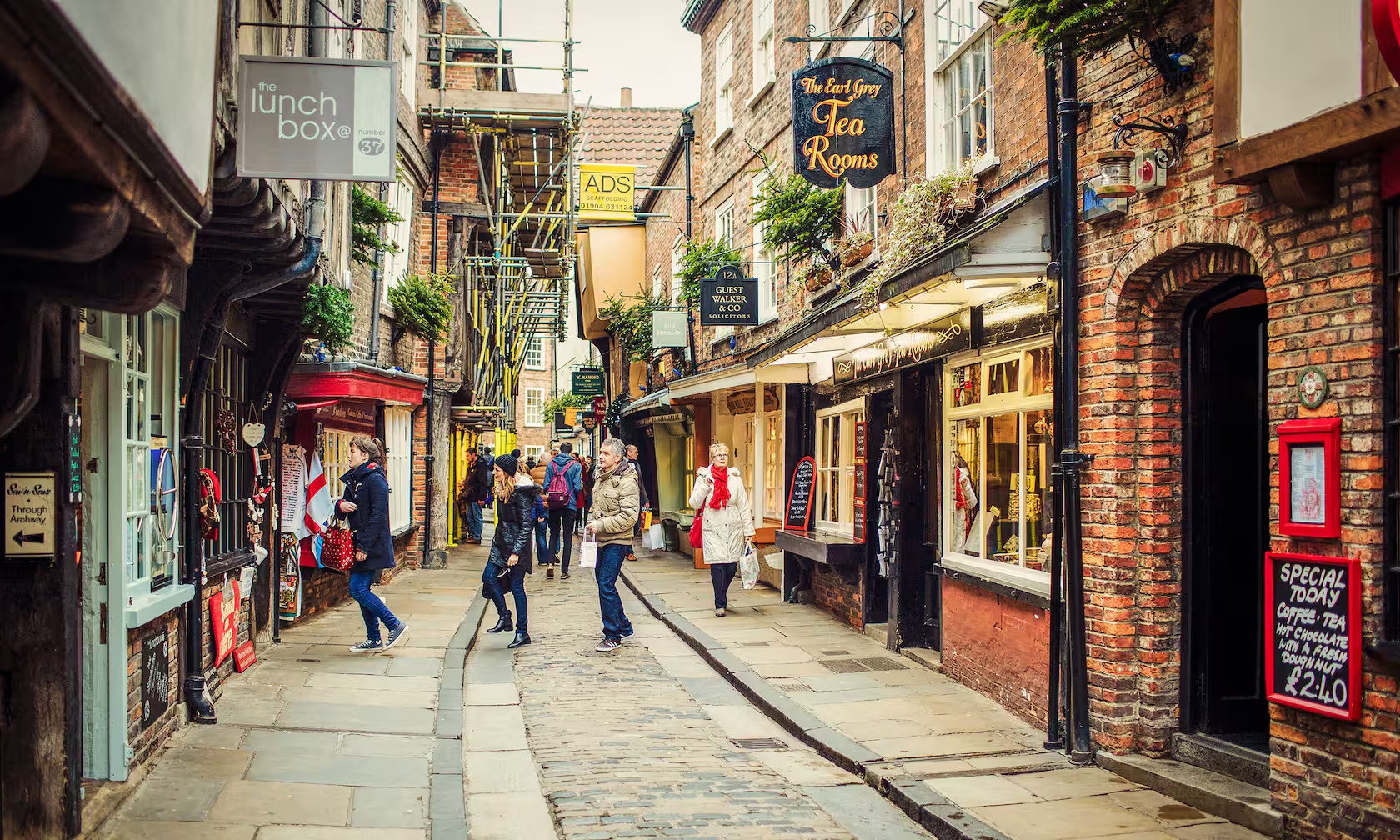
York takes millions of visitors a year, and a spare terrace off Bishopthorpe Road or a flat inside the walls can earn well on Airbnb or Booking.com. What catches most first-time hosts out is that the moment you accept money from a guest, you stop being a homeowner and become a business with duties towards people who did not choose your wiring, your stairs or your kettle.
This is the order we would tackle it in, based on what we see going wrong in York properties when we turn up to test appliances.
Start with the fire risk assessment, not the furniture
The Regulatory Reform (Fire Safety) Order 2005 applies to paying guest accommodation, including a single self-catering cottage. You become the Responsible Person. Since section 156 of the Building Safety Act 2022 took effect in October 2023, that assessment has to be recorded in writing in full, whatever the size of the premises. There is no small-property exemption any more.
For an ordinary house or flat with a simple layout, the government guide "Making your small paying guest accommodation safe from fire" is the right benchmark and includes a template assessment. Larger or more complex buildings, and many York conversions above shops fall into this bracket, should be assessed against the sleeping accommodation guidance instead, usually with help from a competent assessor.
Do this first because it drives everything else: alarm positions, escape routes, whether a plug-in heater in a first-floor bedroom is acceptable, and how often electrical equipment should be checked.
Gas, then electrics
If there is gas in the property you need an annual check by a Gas Safe registered engineer under the Gas Safety (Installation and Use) Regulations 1998, plus a carbon monoxide alarm near any fuel-burning appliance.
Electrics split into two jobs. The fixed installation, meaning consumer unit, circuits, sockets and lighting, is covered by an EICR. The five-yearly EICR duty in the Electrical Safety Standards in the Private Rented Sector (England) Regulations 2020 applies to assured and regulated tenancies, not to holiday lets, so strictly it is not mandated for a short-term let. In practice insurers, agents and the emerging registration scheme all expect one, and York has a lot of pre-war housing stock with rewires of uncertain vintage. Get it done.
Everything with a plug is the second job. The Electrical Equipment (Safety) Regulations 2016 and your general duty under section 3 of the Health and Safety at Work etc. Act 1974 mean the appliances you supply have to be safe for guests to use. If you employ or contract cleaners and changeover staff, the Electricity at Work Regulations 1989 bite as well.
What appliance testing looks like in a York holiday let
There is no legal interval for PAT testing. The 5th edition of the IET Code of Practice removed the old frequency table altogether in favour of a risk-based judgement, and holiday lets sit at the higher-risk end: unfamiliar users, heavy handling, hairdryers and travel chargers, and nobody supervising. Annual testing with recorded user checks at changeover is the pattern that stands up.
The kit that fails most often in guest accommodation is predictable. Kettles and toasters with frayed flexes, hairdryers left in bathrooms, cheap multi-way extension leads daisy-chained behind a bed, garden and hot tub equipment, and inherited appliances from the previous owner with no history at all. Our holiday let PAT testing visits start from £50 for a single property, which covers most two and three-bed lets in one visit. Hosts with several properties around York usually find a half-day at £125 covers two or three addresses if changeover days line up.
Two practical points for city centre lets. First, if your property is inside the walls or in a controlled parking zone, tell your tester in advance so a permit or loading spot is arranged. Second, list the items you do not want tested but do want removed, such as the previous owner's ancient microwave. Cutting the inventory down is usually cheaper than testing it.
The paperwork nobody mentions until later
Soft furnishings must meet the Furniture and Furnishings (Fire) (Safety) Regulations 1988, so keep the labels. Standard home insurance will not cover paying guests, so you need a policy written for short-term letting with public liability cover.
On planning, City of York Council has not introduced a licensing scheme for short-term lets, but the government has consulted on a dedicated planning use class and on giving councils power to restrict short-term lets through Article 4 directions. York is frequently named in that debate. Check the current position with the council before you commit, particularly if the property is a flat with a lease that restricts short-term occupation.
The national registration scheme for short-term lets in England has been confirmed by ministers with a target launch of April 2026 and digital testing during 2025. Reported plans involve submitting safety evidence, typically gas safety, an EICR and a fire risk assessment, in return for a registration number that must appear on listings. Assembling those three documents now means registration is a form-filling exercise rather than a scramble.
Finally, tax. The Furnished Holiday Lettings regime was abolished on 6 April 2025, so short-term let income is now taxed under standard property rules. Whether you sit in business rates or council tax depends on availability and actual lettings thresholds, currently 140 days available and 70 days let in England, so keep a booking record from day one.
If you are converting a long-term rental into guest accommodation, the appliance side changes more than the building does. Our landlord PAT testing pages cover the difference in more detail.
Frequently Asked Questions
Do I need a fire risk assessment for a single Airbnb flat in York?
Yes. The Regulatory Reform (Fire Safety) Order 2005 applies to any paying guest accommodation, including a single self-catering flat or cottage, and you become the Responsible Person. Since section 156 of the Building Safety Act 2022 took effect in October 2023, the assessment must be recorded in writing in full, with no exemption for small premises. For a simple house or flat, the government guide "Making your small paying guest accommodation safe from fire" is the right benchmark and includes a template.
Is an EICR legally required for a holiday let?
Strictly, no. The five-yearly EICR duty in the Electrical Safety Standards in the Private Rented Sector (England) Regulations 2020 applies to assured and regulated tenancies, not to short-term holiday lets. In practice insurers, agents and the forthcoming national registration scheme all expect one, and York's older housing stock often has rewires of uncertain age, so it is worth getting done.
How often should a York holiday let have PAT testing?
There is no legal interval. The 5th edition of the IET Code of Practice dropped the old frequency table in favour of risk-based judgement, and holiday lets sit at the higher-risk end because guests are unfamiliar with the property, handle equipment heavily and are unsupervised. Annual testing with recorded user checks at each changeover is the pattern that stands up to scrutiny.
What does PAT testing cost for a holiday let in York?
Peak Edge PAT holiday let visits start from £50 for a single property, which covers most two and three-bed lets in one visit. Hosts with several addresses around York often find a half-day at £125 covers two or three properties if changeover days line up. Cutting unused or inherited appliances out of the inventory before the visit is usually cheaper than testing them.
What safety documents will the short-term let registration scheme require?
The national registration scheme for short-term lets in England has been confirmed with a target launch of April 2026 and digital testing during 2025. Reported plans involve submitting safety evidence, typically a gas safety record, an EICR and a fire risk assessment, in return for a registration number that must appear on listings. Getting those three documents in place now turns registration into form-filling rather than a scramble.