
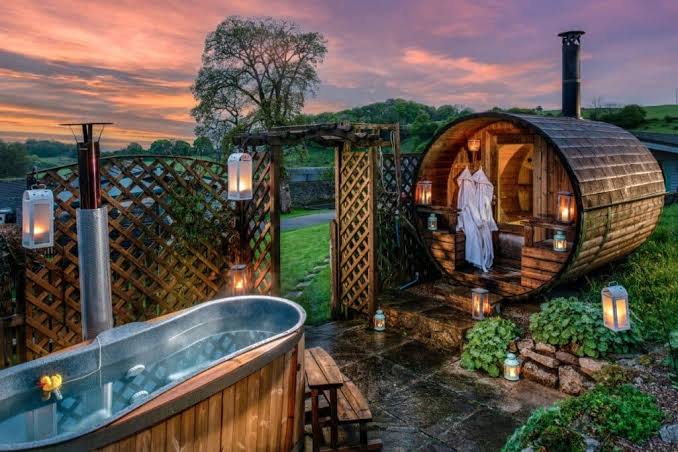
A glamping unit sits awkwardly between a holiday cottage and a caravan pitch. The kettle and the fridge look like ordinary holiday let appliances, but they live in a timber box on a wet hillside, fed by a cable running across a field, sometimes through an inverter rather than a consumer unit. Guests arrive with muddy boots, phone chargers, air beds and occasionally their own fan heater. None of that is a reason to avoid PAT testing, but it does change what a sensible check looks like compared with a stone cottage in Bakewell.
Here is what we look at on glamping sites across the Peak District, and where the legal duties sit.
The duties that apply to a glamping unit
There is no single regulation called "glamping electrical safety". Several existing ones overlap. Section 3 of the Health and Safety at Work etc. Act 1974 requires you to conduct your undertaking so that people who are not your employees are not exposed to risk, and paying guests count. If anyone works on the site, including cleaners and changeover staff, the Electricity at Work Regulations 1989 apply, and Regulation 4(2) requires electrical systems to be maintained so as to prevent danger. The Electrical Equipment (Safety) Regulations 2016 sit behind the appliances themselves.
Fire is the other half of the picture. Since 1 October 2023, changes made by section 156 of the Building Safety Act 2022 mean responsible persons in England must record their fire risk assessment in full, however small the premises. Short-term holiday accommodation is caught by that, and electrical ignition sources tend to be one of the first things a competent assessor asks about.
Pitch supplies and the site's fixed installation
Appliance testing only makes sense if the supply feeding the hut is sound. Section 708 of BS 7671 covers electrical installations in caravan and camping parks and similar locations, and it is the section your electrician should be working to for pitch hook-ups. In broad terms it expects an industrial-type socket-outlet to BS EN 60309-2 mounted between 0.5 m and 1.5 m above ground, each socket serving only one pitch, with individual 30 mA RCD and overcurrent protection. It also restricts the use of a PME (TN-C-S) earthing arrangement for caravan pitch supplies, which on most rural sites means an earth electrode arrangement instead.
That fixed installation is inspected under an EICR by an electrician, not by a PAT tester. If your huts are classed as caravans and the site holds a licence under the Caravan Sites and Control of Development Act 1960, check the electrical conditions attached to that licence, because the model standards conditions your council applies will set their own inspection expectations. Planning sits with the Peak District National Park Authority inside the park boundary, and licensing with the district council, so the two answers can come from different offices.
The 230V kit inside each hut
Mains-fed huts usually carry a short and repetitive list: fridge, kettle, toaster, microwave, panel heater, lamps, hair dryer, a phone charging strip and often an electric blanket or heated throw. Because the list repeats across every unit, testing goes quickly, and because the environment is damp and cold, failures cluster in predictable places. Flexes get pinched under bunk frames, plug pins corrode, and outdoor-run extension leads that were never rated for the job end up permanently in service.
Off-grid huts, 12V systems and inverters
Fully off-grid shepherd's huts change the job. A leisure battery feeding 12V lighting and a USB bank is extra-low voltage, so a standard PAT test regime designed around 230V Class I and Class II appliances does not transfer directly. What we can do is inspect the battery compartment, cabling, fusing and terminations, and test the 230V items properly: the mains charger, the inverter output side where accessible, and anything plugged into it. The IET Code of Practice for In-Service Inspection and Testing of Electrical Equipment, 5th edition, is still the current reference for that risk-based approach, despite the persistent rumours of a newer edition.
Hot tubs, fire pits and everything outdoors
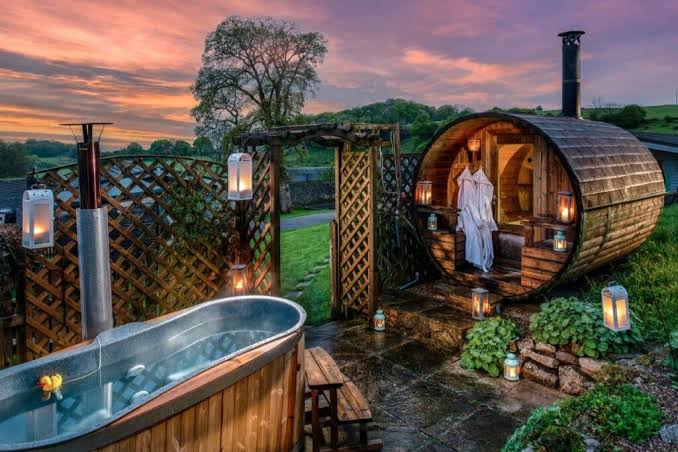
A hot tub is the single most common source of electrical trouble on a glamping site. Where it falls within the scope of BS 7671 Section 702, zone requirements, supplementary bonding and dedicated RCD protection all apply, and a hard-wired tub is inspected as part of the fixed installation rather than PAT tested. Plug-in tubs, pumps, chillers, outdoor festoon lighting and heat lamps are testable, and worth doing at the start of each season. Legionella control in the water is separate again and covered by HSE guidance HSG282.
A start-of-season walkaround
Rodent damage to cable, water ingress into sockets, grit in plug pins and heaters that have spent five months in an unheated hut are all worth catching before the first booking rather than after a guest complaint. Testing every unit in one visit also gives you a single dated record set, which is easier to hand to an insurer or a fire risk assessor than a folder of odd receipts.
We test glamping sites across Chesterfield, the Derbyshire Dales and the wider Peak District, usually as a single visit covering every unit plus the site office and laundry. Holiday let and glamping visits start from £50 for a small site, with half-day visits from £125 and full days from £250 where there are a dozen or more units. If you also let cottages or cabins, our landlord PAT testing page covers how those fit into the same trip.
Frequently Asked Questions
Do shepherd's huts and glamping pods legally need PAT testing?
PAT testing is not named in law, but the duties behind it are. Section 3 of the Health and Safety at Work etc. Act 1974 requires you to protect paying guests from risk, and if you employ cleaners or changeover staff, the Electricity at Work Regulations 1989 require electrical systems to be maintained to prevent danger. Testing and recording the appliances in each hut is the usual way holiday and glamping operators show they have met those duties, and insurers and fire risk assessors often ask for the paperwork.
How often should glamping site appliances be tested?
There is no fixed legal interval, and the IET Code of Practice for In-Service Inspection and Testing of Electrical Equipment sets suggested intervals based on the environment and how the equipment is used. Glamping units sit at the higher-risk end because of damp, cold, portable heating and constant guest turnover, so most operators test annually and time it just before the season opens. Anything that gets moved between units, such as heaters or extension leads, benefits from more frequent visual checks by your own staff between formal tests.
Does an EICR on the site supply cover the appliances in the huts?
No, they are two separate pieces of work. An EICR covers the fixed installation, which on a glamping site includes the pitch hook-up posts, buried cabling, distribution boards and RCDs, and it is carried out to BS 7671, including Section 708 for caravan and camping park installations. PAT testing covers the plug-in appliances inside each unit, such as fridges, kettles, heaters and lamps. Most sites need both, and hard-wired items like a plumbed-in hot tub fall under the EICR rather than the appliance test.
Can you PAT test 12V appliances in an off-grid shepherd's hut?
A standard PAT test is designed around 230V Class I and Class II appliances, so 12V extra-low voltage lighting and USB circuits are not tested the same way. What can be done is a thorough inspection of the battery bank, cabling, fusing and terminations, plus proper testing of the 230V equipment such as the mains battery charger and anything plugged into an inverter output. Ask your tester in advance how they intend to handle off-grid units so the visit produces a record you can actually use.
Does a glamping site in the Peak District need a caravan site licence?
It depends on the structures and the land. Units that meet the legal definition of a caravan, which can include shepherd's huts on wheels, may bring the site within the licensing regime under the Caravan Sites and Control of Development Act 1960, administered by the district council. Tents and some fixed structures are treated differently, and planning permission inside the national park boundary is dealt with by the Peak District National Park Authority. Check both with the relevant authority, because any electrical conditions attached to a site licence will sit on top of your general health and safety duties.