
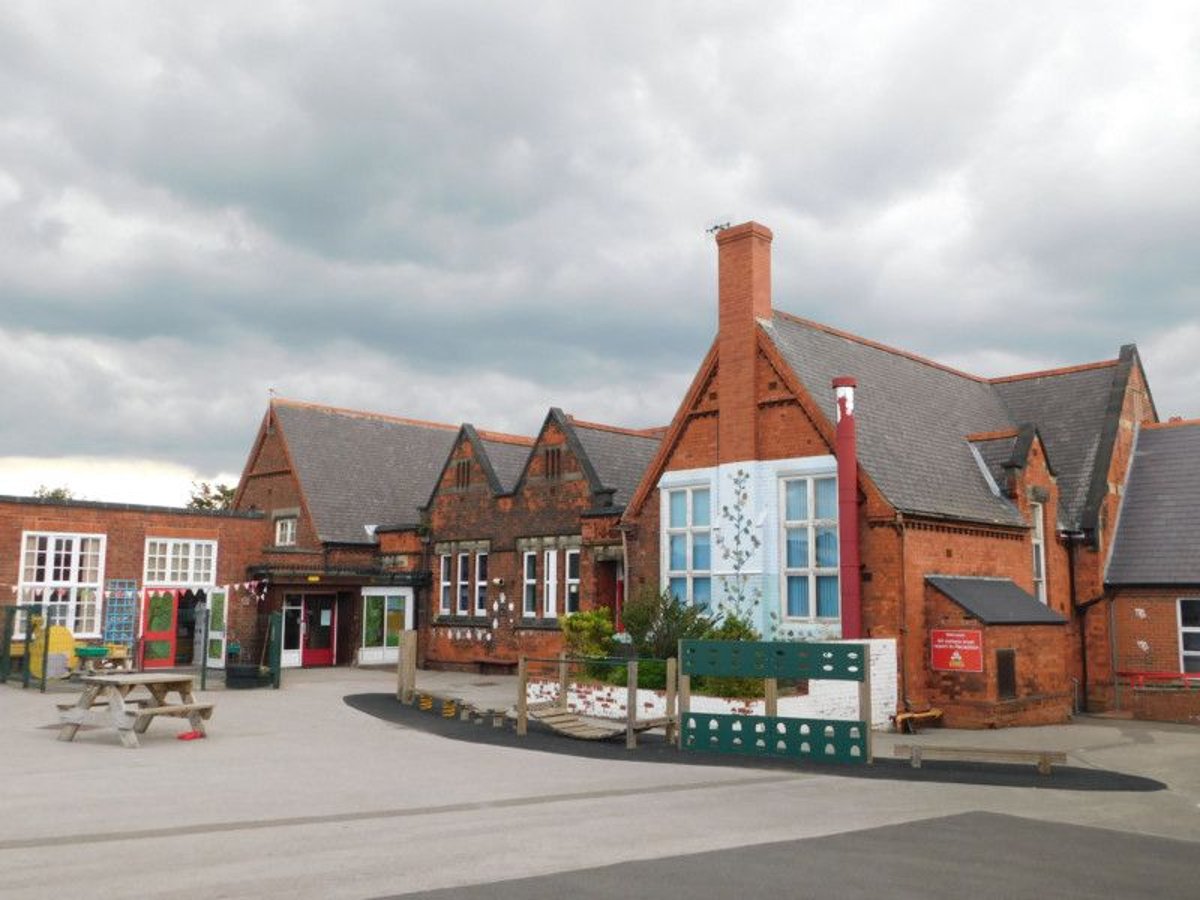
A primary school and a private day nursery can sit on the same street in Chesterfield and still need a completely different testing plan. The buildings run on different calendars, the equipment in them is different, and the person who carries the legal duty is usually different too.
Who holds the duty is the first difference
In a maintained primary school, the local authority is normally the employer for health and safety purposes, with duties shared with the governing body and the headteacher. In an academy, the trust holds them. Either way there is usually an estates or premises officer, a compliance calendar, and a contractor framework that someone else set up.
Private nurseries, workplace nurseries and committee-run pre-schools rarely have any of that. The registered provider carries the duty, and in a committee-run setting that means the trustees or management committee are the employer, even though they are volunteers who meet once a month. The relevant law is the same as anywhere else: the Health and Safety at Work etc. Act 1974, regulation 4(2) of the Electricity at Work Regulations 1989 requiring electrical systems to be maintained so as to prevent danger, and regulation 3 of the Management of Health and Safety at Work Regulations 1999 on suitable risk assessment. On top of that, the EYFS statutory framework requires providers to keep premises and equipment safe and suitable for the children using them, which is why electrical safety turns up in nursery policies far more often than in a school's.
There is no summer holiday to test in
Most primary schools we visit book their PAT testing for the last week of July or the last week of August, when the building is empty. Nurseries open around 51 weeks a year, often from 7.30am to 6pm, and closing for a day is not an option when parents are paying for a contracted place.
That changes the job rather than the standard. In practice it means working room by room and following the children rather than the floor plan: the baby room before the first drop-offs, the pre-school room while that group is outside, the sleep room once the cots are empty in the late afternoon, and the kitchen after lunch service. A single-site nursery of 40 to 60 places is usually a half-day visit, from \u00a3125, and larger group settings are a full day. Booking a fixed sequence with the manager beforehand matters more than the total time on site.
The equipment list is not a shrunken version of a school's
A primary classroom has an interactive screen, a visualiser, a few laptop trolleys and a laminator. A nursery room has mains items sitting at toddler height and running for ten hours a day. Bottle warmers, steam sterilisers, formula prep machines, blenders for weaning purees, nappy bin units, plug-in nightlights, baby monitors, white noise machines, sensory bubble tubes and fibre optic lamps, tablet charging plugs, and the chargers for battery ride-on toys all appear on nursery asset lists and almost never on a primary school's.
Nurseries also do laundry that schools do not. Bedding, sleep bags, aprons and spare clothes go through a domestic washing machine and tumble dryer most days, and tumble dryers are one of the more common serious failures we find, usually because of lint, heat-damaged flexes and worn plug tops. Converted houses and church halls add portable heaters and fans, which is a different risk again because they are moved, knocked and stored badly between seasons.
Donated and second-hand items need catching
School procurement almost never allows a parent to drop off a spare kettle. Nurseries and pre-schools accept donations constantly, along with fundraising buys, car boot finds and Christmas lights that have lived in a loft since 2016. The IET Code of Practice takes the sensible view that genuinely new equipment does not need a full test before first use, provided it is visually checked and recorded. Second-hand and donated equipment gets no such benefit, so it should go on the register and be tested before it is plugged in anywhere children can reach it.
Setting your own intervals
The 5th edition of the IET Code of Practice removed the old frequency table that appeared as Table 7.1 in the 4th edition, so there is no published number to point at. The duty holder sets intervals from risk. For an early years setting, that usually pushes items in the baby room, the kitchen and the laundry towards annual combined inspection and testing, leaves fixed IT and desktop equipment on a longer cycle, and relies on room leads doing recorded user checks as part of the daily room sweep they already do.
Under the inspection framework Ofsted introduced on 10 November 2025, inspectors do not test appliances or ask for a certificate by name, but they do look at whether a setting's safety arrangements work in practice. A register that ran out fourteen months ago suggests the risk assessment exists on paper only. We cover nurseries and pre-schools across Chesterfield, north east Derbyshire and the Peak District, and can work to whatever sequence keeps your rooms running. Full details of how a visit works are on our PAT testing page.
Frequently Asked Questions
Is PAT testing a legal requirement for nurseries and pre-schools?
No regulation uses the words PAT testing, but the Electricity at Work Regulations 1989 require electrical equipment to be maintained so as to prevent danger, and the Health and Safety at Work etc. Act 1974 places that duty on the employer or registered provider. The EYFS statutory framework also requires providers to keep premises and equipment safe and suitable for the children using them. Inspection and testing of portable appliances is the normal way early years settings show they have met those duties, and it is what most insurers expect to see.
Does Ofsted ask to see PAT testing records in an early years inspection?
Ofsted inspectors do not test appliances or ask for a PAT certificate by name, and there is no single document they tick off. They do look at whether your risk assessment and premises safety arrangements work in practice, and an out-of-date appliance register is evidence that they do not. Keeping the register and any remedial actions in the same folder as your fire and first aid records makes it straightforward to produce on the day.
How often should a nursery have its appliances tested?
There is no fixed legal interval, and the 5th edition of the IET Code of Practice removed the old frequency table entirely in favour of risk-based intervals set by the duty holder. Most nurseries land on annual combined inspection and testing for equipment in baby rooms, kitchens and laundries, with longer intervals for fixed IT and desktop items. Staff user checks recorded as part of the daily room check sit alongside that and catch damage between visits.
Do battery-powered toys and ride-ons need PAT testing?
The toy itself has no mains connection, so it is not part of a portable appliance test, though it should still be covered by your normal equipment checks for damage. The charger and its lead do plug into the mains, so those are tested. Chargers for ride-ons and tablet trolleys are worth flagging to your tester because they are often stored loose in a cupboard and get damaged.
Can PAT testing be done while the nursery is open with children in?
Yes, and for most settings that is the only realistic option because nurseries open around 51 weeks a year. The work is done room by room around the daily routine, typically starting before drop-off, moving through rooms while groups are outside, and leaving the sleep room until the cots are free. Agreeing the sequence with the room leads in advance keeps disruption to a few minutes per room.