
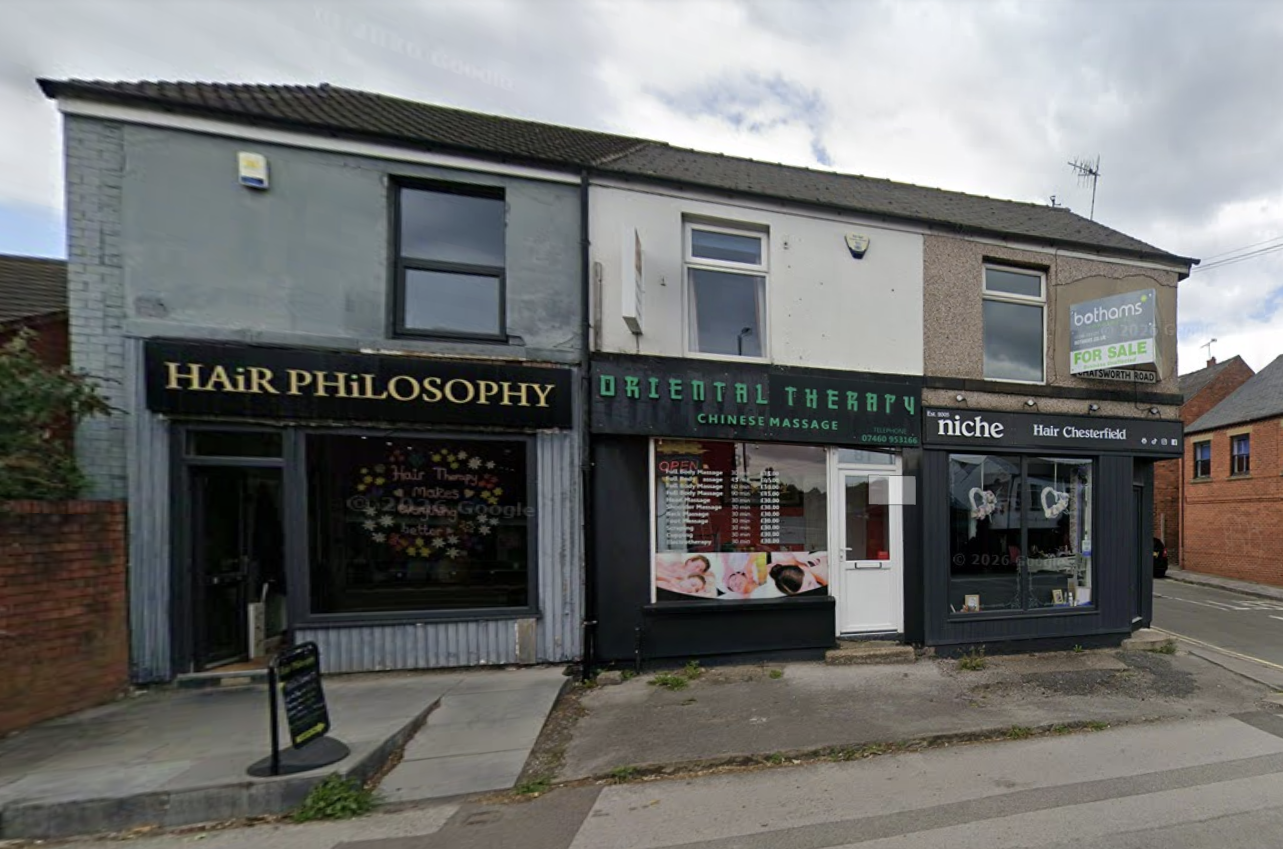
A hair salon works its handheld electrical equipment harder than almost any other small business on the high street. Dryers get switched on and off dozens of times a day, straighteners sit at over 200 degrees with the flex bent tight against the barrel, and the backwash area puts water, wet hands and mains voltage within a metre of each other. Salon kit tends to fail earlier than the same class of appliance sitting on a desk in an office, and that is the main reason a salon benefits from a proper testing routine rather than a glance at the plug now and then.
What the law actually asks of a salon owner
No UK regulation uses the words PAT testing. The duties come from three places. Under the Health and Safety at Work etc. Act 1974 you owe a duty of care to your staff and to anyone else affected by the business, which includes clients sitting in your chairs. Regulation 4(2) of the Electricity at Work Regulations 1989 requires electrical systems to be maintained, so far as is reasonably practicable, to prevent danger. Regulation 5 of PUWER 1998 requires work equipment to be kept in efficient working order and good repair. The HSE's own guidance, including INDG236 and HSG107, is clear that the law sets no fixed testing interval, and that a combination of user checks, formal visual inspection and combined inspection and testing is the normal way of showing the maintenance happened. If an environmental health officer or an insurer asks how you know your dryers are safe, a dated asset list with test results answers the question in seconds.
Special treatment licences are a London requirement, not a Derbyshire one
Search for salon electrical rules and you will land on London borough pages demanding an electrical installation certificate as a condition of a special treatment licence. Those licences come from Part II of the London Local Authorities Act 1991 and they do not apply in Chesterfield, Sheffield, Dronfield or anywhere else outside Greater London. What does apply locally is registration under the Local Government (Miscellaneous Provisions) Act 1982. If you offer electrolysis, cosmetic piercing, tattooing, semi-permanent make-up or acupuncture, both the practitioner and the premises need to be registered with the council, and an officer will inspect before registration is approved. That inspection covers the byelaw conditions and general health and safety, so having current test records on the wall or in a folder removes one line of questioning.
How often salon equipment should be tested
The interval is a risk decision, and the risk in a salon sits with the handheld heat tools rather than the till or the card machine. For most single-site salons we suggest a combined inspection and test once a year across everything with a plug, a formal visual inspection at around six months for dryers, tongs, wands and clippers, and a quick user check by whoever picks the tool up. The HSE's example intervals put handheld equipment on a shorter cycle than stationary equipment for exactly this reason. If a visit turns up several damaged flexes, that is evidence to shorten the interval rather than an argument for testing less. Our PAT testing service records each item individually so you can see whether the same station keeps producing failures.
What tends to fail in salons
Flex damage at the point where the cable enters the handle is the most common salon failure, caused by heat from the barrel combined with the same bend being repeated a hundred times a day. Cord grips pull loose inside plugs, pins get scorched where a plug has been worked in and out of a low socket behind a station, and hair and product residue builds up around both. Extension leads chained together at styling stations are a recurring find. In treatment rooms the water-based Class I equipment matters most, so foot spas, steamers and wax heaters get close attention, along with towel warmers, laundry appliances and the lint that collects in a salon tumble dryer.
Chair renters and mobile stylists
Chair rental muddies the question of who tests what. A self-employed stylist who brings her own dryer and straighteners carries her own duties under the Health and Safety at Work Act and the Electricity at Work Regulations for that equipment. The salon owner still has duties as the person in control of non-domestic premises made available to others as a place of work. In practice the cleanest arrangement is to test everything in the building on one visit and issue each renter a separate report they can keep for their own insurance. Mobile hairdressers have no employer to arrange it, and while you cannot control the sockets in a client's house, your own kit is squarely your responsibility.
Fitting a visit round the appointment book
A typical high street salon with roughly 20 to 40 plugged-in items usually fits inside a short visit, priced from £50 for up to an hour, and we can work station by station between clients rather than shutting the floor. Larger premises with treatment rooms, a sunbed room and a laundry are more likely to need a half day, from £125. We cover salons across Chesterfield, north east Derbyshire and Sheffield from the Chesterfield base, and salons in York and North Yorkshire from the York branch. One thing testing will not cover is the fixed wiring, so the sockets behind your backwash basins, the lighting circuits and the RCD protection in the consumer unit need a periodic inspection report instead.
Frequently Asked Questions
Do hairdressers legally need PAT testing?
No UK law names PAT testing as a requirement for salons. The Electricity at Work Regulations 1989 and PUWER 1998 do require employers to maintain electrical equipment so that it does not become dangerous, and the HSE treats inspection and testing as the standard way of showing that maintenance has been done. For a salon full of handheld heat tools used near water, a documented test record is the simplest evidence available if an officer, insurer or claimant asks.
How often should a hair salon PAT test its equipment?
There is no fixed legal interval, so the frequency comes from a risk assessment. Most single-site salons are well served by a combined inspection and test once a year, a formal visual inspection at around six months for dryers, straighteners, tongs and clippers, and a quick user check each time a tool is picked up. If a year's testing shows repeated flex damage, shorten the interval for those items rather than the whole inventory.
If I rent a chair in a salon, whose job is it to PAT test my equipment?
A self-employed stylist renting a chair is responsible for the safety of the equipment she brings in, under the Health and Safety at Work etc. Act 1974 and the Electricity at Work Regulations 1989. The salon owner still has duties as the person in control of the premises and any equipment the salon itself provides. Many salons handle this by booking one visit for the whole building and giving each chair renter a separate report for their own records and insurance.
Do straighteners and curling tongs need PAT testing?
Yes, and they are usually the highest priority items in a salon. Heat from the plates or barrel combined with constant flexing at the point where the cable enters the handle makes these the most common source of failures we see in salons. Most are Class II double-insulated, so the test includes a close visual inspection of the flex and plug alongside an insulation resistance measurement.
Does a beauty salon in Chesterfield or Sheffield need a special treatment licence with an electrical certificate?
No. Special treatment licences come from Part II of the London Local Authorities Act 1991 and apply only within Greater London, which is why London borough websites ask for an electrical installation report. Outside London, salons offering electrolysis, cosmetic piercing, tattooing, semi-permanent make-up or acupuncture must instead register the practitioner and the premises with the local council under the Local Government (Miscellaneous Provisions) Act 1982, and an officer will inspect the premises against the byelaws and general health and safety duties before approving it.